November 13, 2026 | Blended Family, Relationships
What Nobody Tells You About Being the New Person
Feeling like an outsider in a blended family can be lonely in ways nobody warns you about. Everyone is kind to you. That’s almost the confusing part.
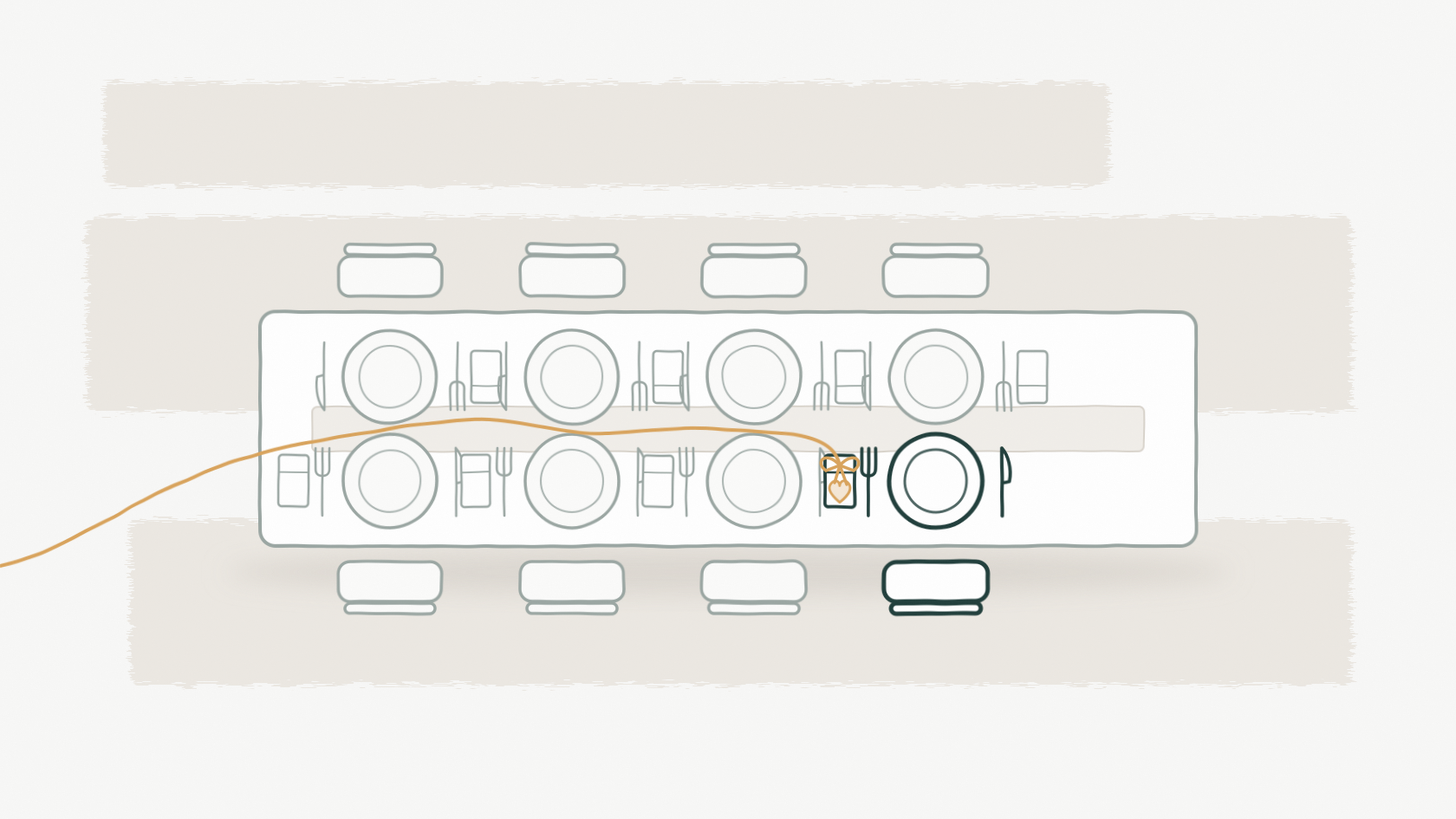
You’re at the table for the holiday dinner, or the birthday, or the ordinary Sunday. Someone says “remember when,” and the whole room laughs at a story you weren’t there for. There’s a photo wall in the hallway, and you’re not on it yet. There are traditions nobody explains because nobody has ever needed to. You laugh a beat late. You ask a question everyone else already knows the answer to.
Maybe you married into this family. Maybe you’re the stepmom, the second wife, the new in-law, the one who joined after the kids were already half grown. Nobody is being cruel. And still, you drive home feeling like a guest in a life you’re supposed to belong to.
The History Gap: Feeling Like an Outsider in a Blended Family
Here’s what nobody tells you. When you join a family that already exists, you’re not just meeting people. You’re arriving after the story started.
Everyone around you shares years of memory you weren’t part of. Inside jokes, old hurts, the way things have always been done. No amount of goodwill can hand you those years. You can’t love your way into a past you weren’t present for.
I call this the history gap. And the loneliness it creates is not proof that you’re unwanted. It’s closer to math. They have twenty years together. You have two.
That distinction matters, because when you don’t have a name for the gap, you tend to make it about you. I’m not doing enough. They don’t really like me. I’ll never fit here. Most of the time, none of that is true. You’re just new.
And making it about you has a cost. You start trying harder, then harder still. You read every quiet moment as rejection. You either shrink to keep the peace or push to prove you matter, and neither one feels like you. The gap was never a test you were failing. It was just time that hadn’t happened yet.
I spent close to twenty years as a stepmom learning this, and the early ones were lonelier than I let anyone see.
You‘re Not Outside. You’re Early.
This is the one shift I’d offer: belonging isn’t a door you walk through once. It’s something that builds up, slowly, through ordinary time together.
That means the lonely season isn’t a verdict on whether you belong. It’s just where you are on the timeline. You’re not standing outside the family. You’re early in it.
And belonging that has to be built is still real belonging. In some ways it’s sturdier, because nobody handed it to you. It was made out of showing up when you could have stepped back.
“God places the lonely in families.”
Psalm 68:6 (NLT)
I find comfort in that word “places.” It suggests you didn’t wander in by accident, even on the days it feels that way.
What Helps in the Long Middle
Stop auditioning. When you’re new, it’s tempting to try to win everyone over at once. The perfect gift, the perfect dish, the perfect thing to say. That kind of effort is exhausting, and people can usually feel it. Small, repeatable ways of showing up work better. Being the one who remembers the dentist appointment does more over time than one big gesture ever will.
Add to the history instead of competing with it. You’ll never be part of the old stories. That’s fine. Start a new one. A Saturday breakfast spot, a show you watch together, a silly tradition that belongs to you and them. Ten years from now, someone at that table will say “remember when,” and you’ll be in it.
Tell one person the truth. The loneliness gets heavier when nobody knows it’s there. Find one person outside the family, a friend, a counselor, another stepparent who gets it, and say it out loud. You don’t need them to fix anything. You just need to stop carrying it by yourself.
Let the relationship be its own thing. You may never be “Mom” or a daughter or a sister to these people, and you don’t have to be. Some of the best relationships in a blended family don’t have a clean name. They’re just built, one ordinary day at a time.
It Takes Longer Than Anyone Says
If you’re in the hard early part right now, I won’t pretend it goes fast. It usually takes years, not months. There may be days you wonder if it’s working at all.
But time is on the side of the person who keeps showing up. The gap doesn’t close all at once. It closes a little every time you stay.
One day you’ll notice someone saved you a seat without being asked. Or texted you the news first. Or told a story at dinner, and you were in it. It won’t feel like a big moment. It’ll feel ordinary. That’s how you’ll know.
Where are you still the new person, and what would change if you saw it as early instead of outside?